How Marine Diesel Engines Are Exported Safely
June 24, 2026
Exporting marine diesel engines takes more than loading equipment into a container and sending it overseas. These engines are heavy, high-value, and often critical to vessel operations, so every step matters—from documentation to packaging to final delivery coordination.
For export buyers and marine contractors in Tampa, FL, the process can feel complicated when timelines, customs requirements, freight handling, and equipment condition all need to line up. A delay at one stage can affect a repair schedule, vessel build, or commercial marine project.
The good news is that marine diesel engines can be exported safely when the right preparation is done early. With careful planning, proper export compliance, and experienced support, buyers can reduce risk and keep the shipping process moving with fewer surprises.
What Makes Marine Diesel Engine Export Different?
Marine diesel engines are not standard cargo. They are large, specialized pieces of equipment that may include sensitive components, fuel-related parts, heavy metal assemblies, and model-specific accessories. Because of that, export buyers need to think about both freight safety and regulatory requirements before shipment begins.
Engine Size and Weight Affect Every Step
Marine engines can require specialized lifting, crating, blocking, and bracing. Even small movement inside a crate or container can damage mounts, housings, or exposed components during transport.
That is why accurate dimensions, weight, and handling instructions are important from the start. Buyers who need help sourcing and shipping engines can review
diesel engine export services in Tampa, FL as part of the planning process.
Condition and Compatibility Must Be Confirmed
Before an engine is exported, the buyer should confirm the make, model, serial number, configuration, and intended use. This helps reduce the chance of ordering a unit that does not match the vessel or project requirements.
For marine contractors, compatibility is especially important when engines are being used for repowers, fleet maintenance, or replacement work. A clean equipment review can save time once the engine reaches its destination.
How Is the Shipping Process Prepared Before Export?
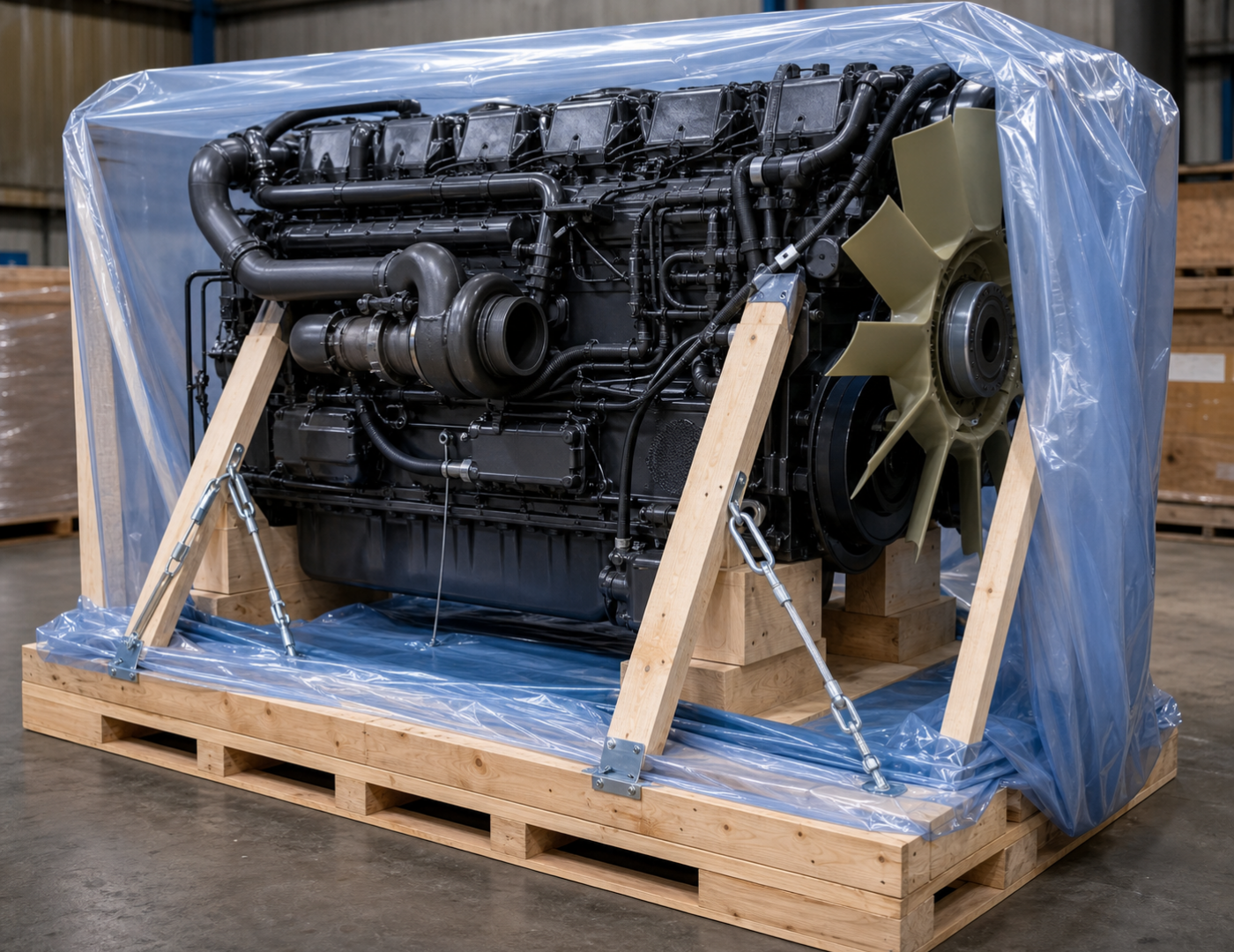
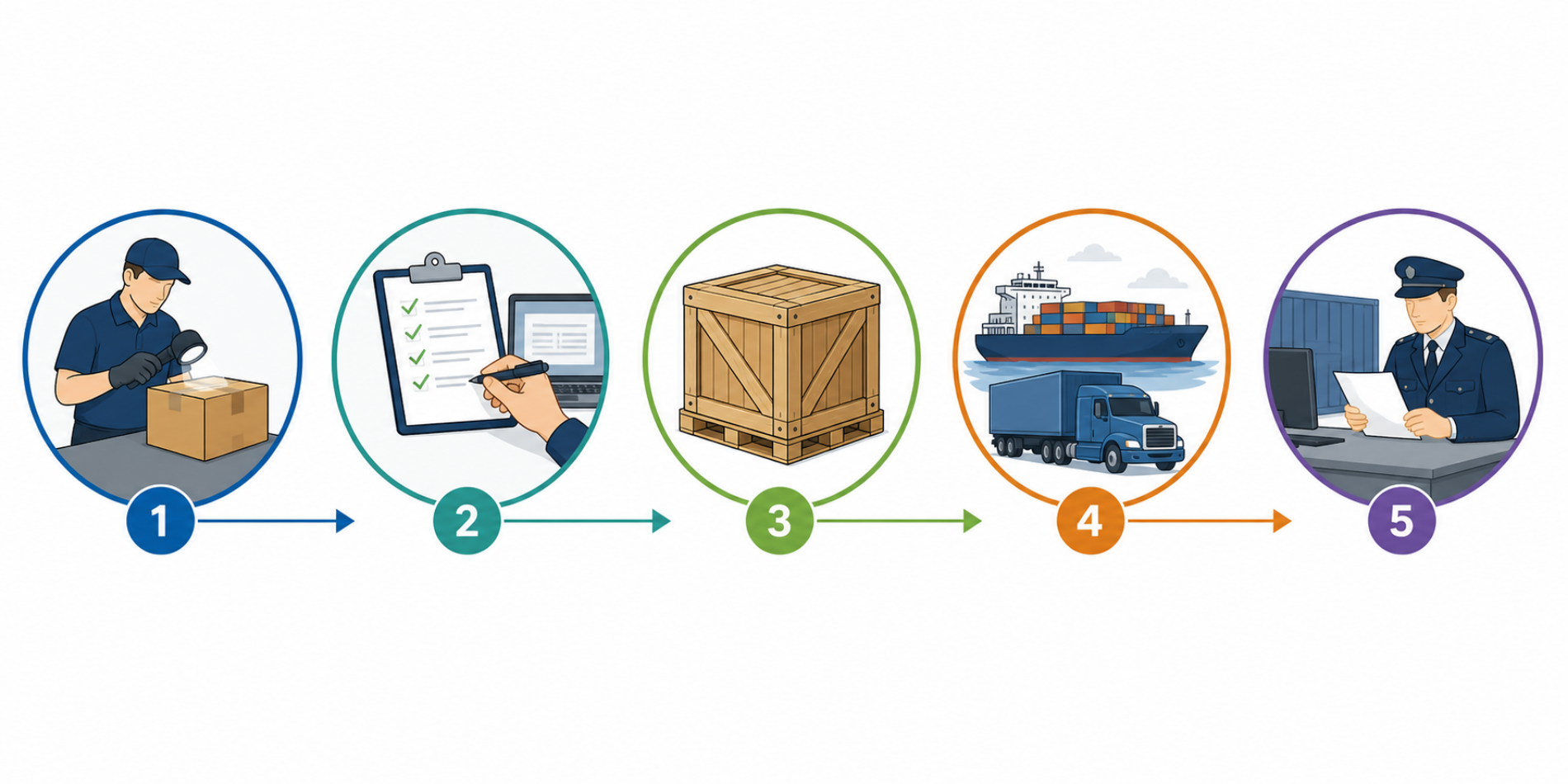
The shipping process begins before the engine leaves the facility. A reliable export plan includes inspection, documentation, packaging, and freight coordination. Each step helps protect the equipment and supports smoother customs processing.
Inspection and Pre-Shipment Review
A pre-shipment review helps confirm the engine’s condition and identify any visible concerns before export. This may include checking for missing parts, exposed openings, loose components, or areas that need protective covering.
Photos can also be useful for buyers. They create a record of the engine before shipping and can help with receiving inspections when the equipment arrives overseas.
Proper Crating and Protection
Marine diesel engines should be secured to prevent shifting during land, sea, or air transport. Depending on the shipment, this may involve custom crating, palletizing, moisture protection, rust prevention measures, and reinforced support points.
Open ports, electrical connectors, and delicate accessories should be protected from moisture and impact. When related parts are shipped with the engine, buyers may also want to review
marine engine parts and components in Tampa, FL to confirm what can be included in the shipment.
Freight Method and Route Planning
The right freight method depends on engine size, destination, timeline, and budget. Some shipments move by ocean container, while others may require flat rack service, breakbulk handling, or air freight for urgent needs.
The route should be planned with realistic timing. Export buyers should account for inland transport, port cutoffs, customs checks, and destination-side clearance.
What Export Compliance Steps Should Buyers Expect?
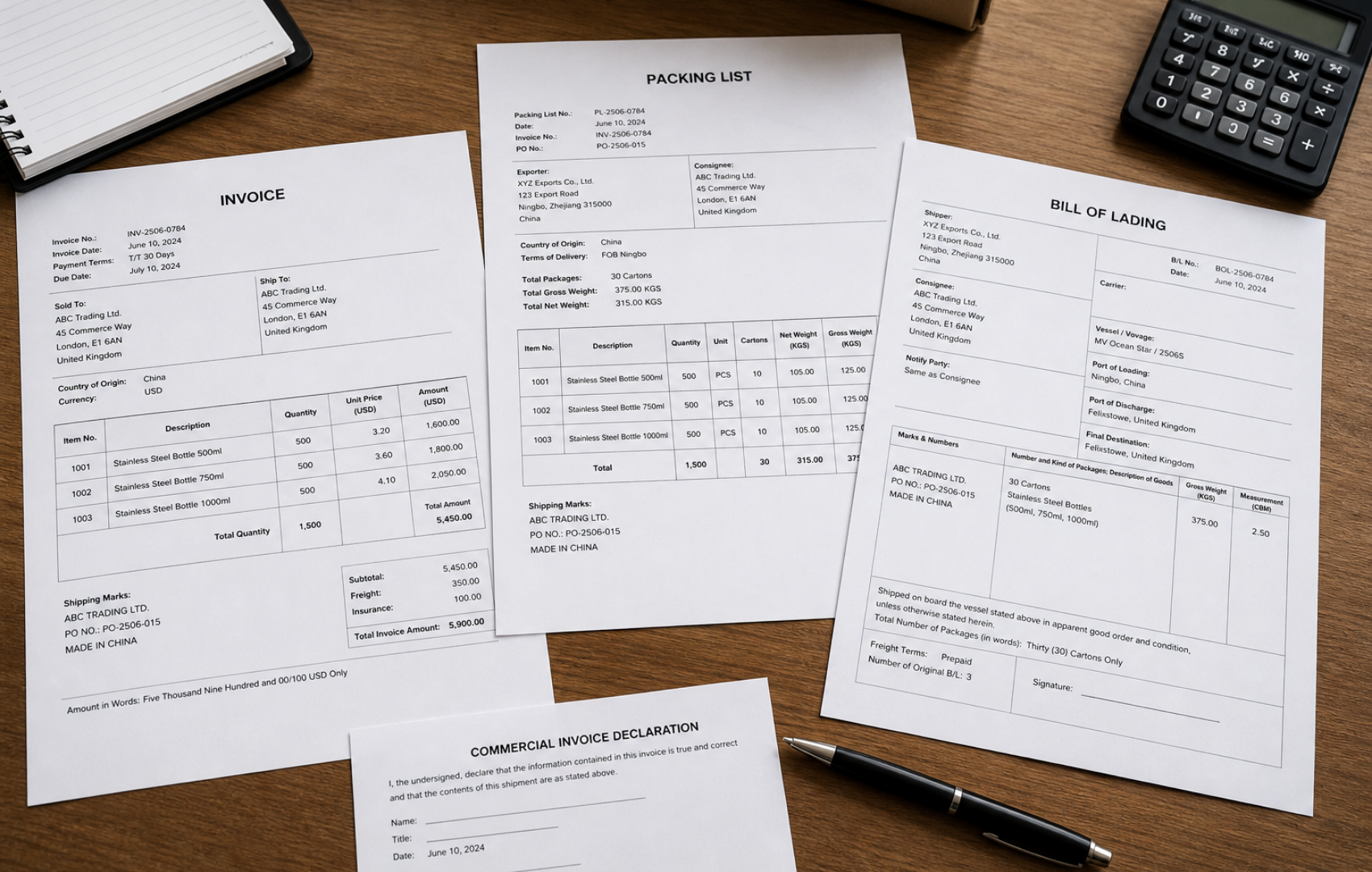
Export compliance is one of the most important parts of sending marine engines overseas. The rules can vary based on the engine type, destination country, end user, and intended application. Missing paperwork or incorrect details can cause delays, holds, or shipment rejection.
Documentation Needs to Match the Shipment
Common export documents may include a commercial invoice, packing list, bill of lading, export filing information, and equipment details. Depending on the shipment, additional documents may be needed for customs, destination clearance, or buyer requirements.
The information should be consistent across all documents. Engine descriptions, values, weights, serial numbers, and destination details should match to avoid questions during customs review.
Destination Rules Matter
Different countries may have different import rules for diesel engines, used equipment, emissions-related components, and marine power systems. Buyers should confirm any destination requirements before the engine ships.
For larger projects,
industrial diesel engines in Tampa, FL may also require careful review when equipment is intended for power generation, marine operations, or commercial use overseas.
Restricted Parties and End Use Should Be Checked
Export compliance may include screening the buyer, destination, and end use. This helps confirm that the shipment can legally move under applicable export rules.
Marine contractors and export buyers should be prepared to provide clear information about how the engine will be used. Clear communication reduces delays and helps keep the process organized.
How Can Buyers Reduce Risk During Marine Engine Export?
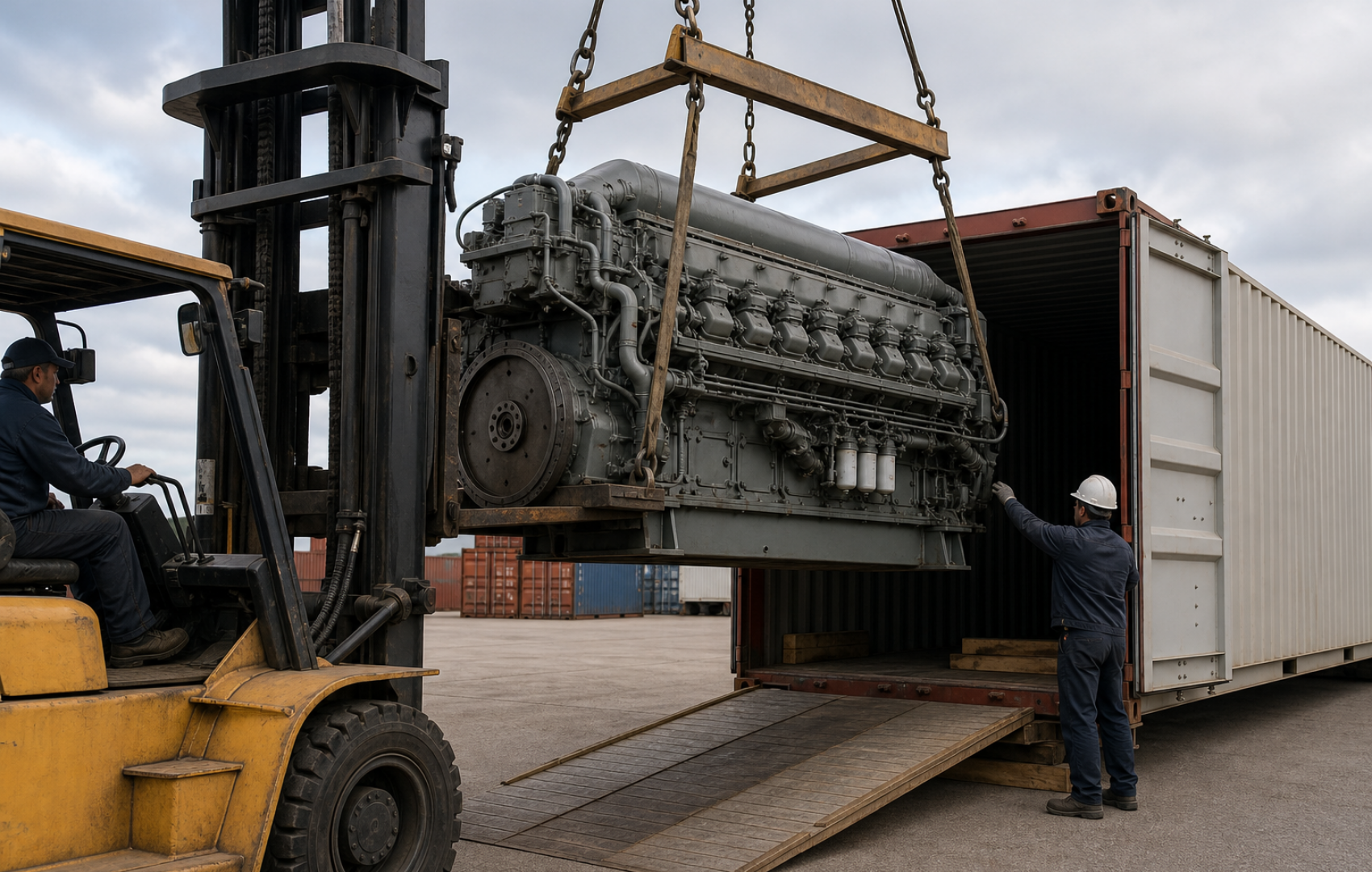
Safe export comes down to preparation, communication, and documentation. A strong process helps protect the equipment and gives the buyer more confidence before the shipment leaves the United States.
Confirm Scope Before Shipment
Buyers should know exactly what is included with the engine. That may involve mounts, controls, accessories, generator components, or replacement parts. If certain items are not included, they should be listed clearly before shipment.
For projects that also need power generation equipment,
marine generators in Tampa, FL can be reviewed alongside engine export needs to help align equipment planning.
Keep Communication Clear
Freight forwarders, export suppliers, marine contractors, and buyers all need the same information. This includes pickup timing, loading needs, consignee details, port destination, and required documents.
Small details matter. A wrong address, missing contact, or unclear equipment description can slow down a shipment quickly.
Plan for Receiving and Installation
Export safety does not end when the engine is loaded. Buyers should plan for unloading, inspection, storage, and installation at the destination.
Receiving teams should compare the shipment against photos, packing lists, and purchase details. Any concerns should be documented right away.
Why Tampa Buyers Need Careful Marine Diesel Export Planning
Tampa, FL is connected to active marine, industrial, and commercial shipping work, which makes planning especially important for buyers moving equipment through Florida. Export buyers and marine contractors in the region often work with tight vessel schedules, port timelines, and overseas project deadlines. Having a clear process for marine diesel engines export helps Tampa businesses reduce avoidable delays and protect valuable equipment before it leaves the country.
Learn More About Safe Diesel Engine Export
American Power Systems helps export buyers and marine contractors understand their options for diesel engines, marine engines, and related power equipment. To learn more about safe export planning from Tampa, FL, call 305-251-9771 and speak with a team that understands marine diesel engine export needs.
Frequently Asked Questions
What documents are needed to export marine diesel engines?
The required documents can vary by destination, engine type, and shipment details. Common paperwork may include a commercial invoice, packing list, bill of lading, and export filing information. Buyers should confirm requirements before shipping so the documents match the cargo and destination rules.
How are marine diesel engines protected during shipping?
Marine diesel engines are usually protected with crating, blocking, bracing, moisture control, and covered openings. The goal is to prevent movement, impact damage, corrosion, and exposure during transport. Proper packaging is especially important for ocean freight.
Can used marine engines be exported?
Yes, used marine engines may be exported, but the buyer should confirm destination rules before shipment. Some countries may have requirements related to emissions, condition, age, or documentation. A careful pre-shipment review helps avoid problems during customs clearance.
Why is export compliance important for marine engines?
Export compliance helps confirm that the shipment, buyer, destination, and end use meet applicable rules. Without proper compliance checks, a shipment can be delayed, held, or rejected. It also helps protect both the seller and buyer during international trade.
How long does the shipping process take?
The timeline depends on the engine size, freight method, destination country, port schedules, and customs processing. Ocean freight usually takes longer than air freight, but it is often more practical for heavy engines. Buyers should plan early and allow time for documentation, packaging, and export coordination.
Exporting marine diesel engines safely starts with clear details and the right support. From equipment review to shipping process planning and export compliance, every step helps protect the engine and the buyer’s timeline. For export buyers and marine contractors working in or through Tampa, American Power Systems is ready to help you learn more about diesel engine export options.